
As you may have noticed, we announced a new social network called Goggle+, which was acknowledged by Businesswire, Tony Rocha and Yahoofinance alongside others.
But…did you check the date yesterday? We have to disappoint some of you, as Reddit noticed, the idea of Goggle+ was in fact a joke!
(The 10% discount offered to honor the day was not a joke and we are, however, available on Google+ so please feel free to add us to your circles.)
Since the big release of Avatar, 3D films are no longer the realm of science fiction. But for those of us who still have no idea how they work, it’s time to don our science caps, and dive into the, er, third dimension.
3D films essentially work by tricking your brain, and taking advantage of your stereoscopic vision. Our left and right eyes both see different perspectives of the same object, and these two images are then interpreted by the brain as the three dimensional object we see – this effect being stereoscopic vision. To create a similar effect, 3D films mimic our eyes, as they are filmed with 2 cameras, giving slightly different perspectives. In the cinema, 2 rolls of film are then projected onto the screen, giving an odd effect to the naked eye, and a 3D one when you use those snazzy glasses.
But, the other, more important trick that 3D films pull is by using something called polarised light. This is what gives the movies their 3D effect. The films are projected through polarizing filters, meaning that only light vibrating on a certain plane can go through. Images that are meant for your right eye are polarized on a vertical plane, whereas images that are meant for your left eye are projected on a horizontal plane. The 3D glasses then filter the images again, fooling the eye into seeing two separate images, just as you do with stereoscopic vision – and hence the 3D effect.
These movies are not for everyone, however, and there are stories of a significant minority of cinema goers experiencing nausea, dizziness, and headaches. Because the brain cannot adjust to changing points of focus and depth perceptions, you can be left with the feeling of motion sickness. Children can be susceptible to this, and whilst 3D movies don’t harm the eyes of adults, there is a possibility that they can harm the development of children’s eyes.
A possible solution to this problem is by having 3D contact lenses. Some companies are already working on using nanotechnology in contact lenses, and the same ideas could be applied to contact lenses. However, if you are a contact lens wearer and want to watch 3D movies at home or online, contact lenses that can be used instead of glasses have also been mooted. Any appearance of these ideas will be sometime in the future, so for the moment we can simply enjoy our favourite movies as they are re-released in 3D form.
So you’ve decided to make the jump from glasses to contact lenses. A brave move, some might say. But what’s this? There’s a strange feeling in the pit of your stomach: it gnaws, it nags, it twists, and it turns. Is it that kimchi side order from last night? No – it’s the Fear. But be still, gentle reader, for those of you who are new to the world of contact lenses, online advice is at hand.
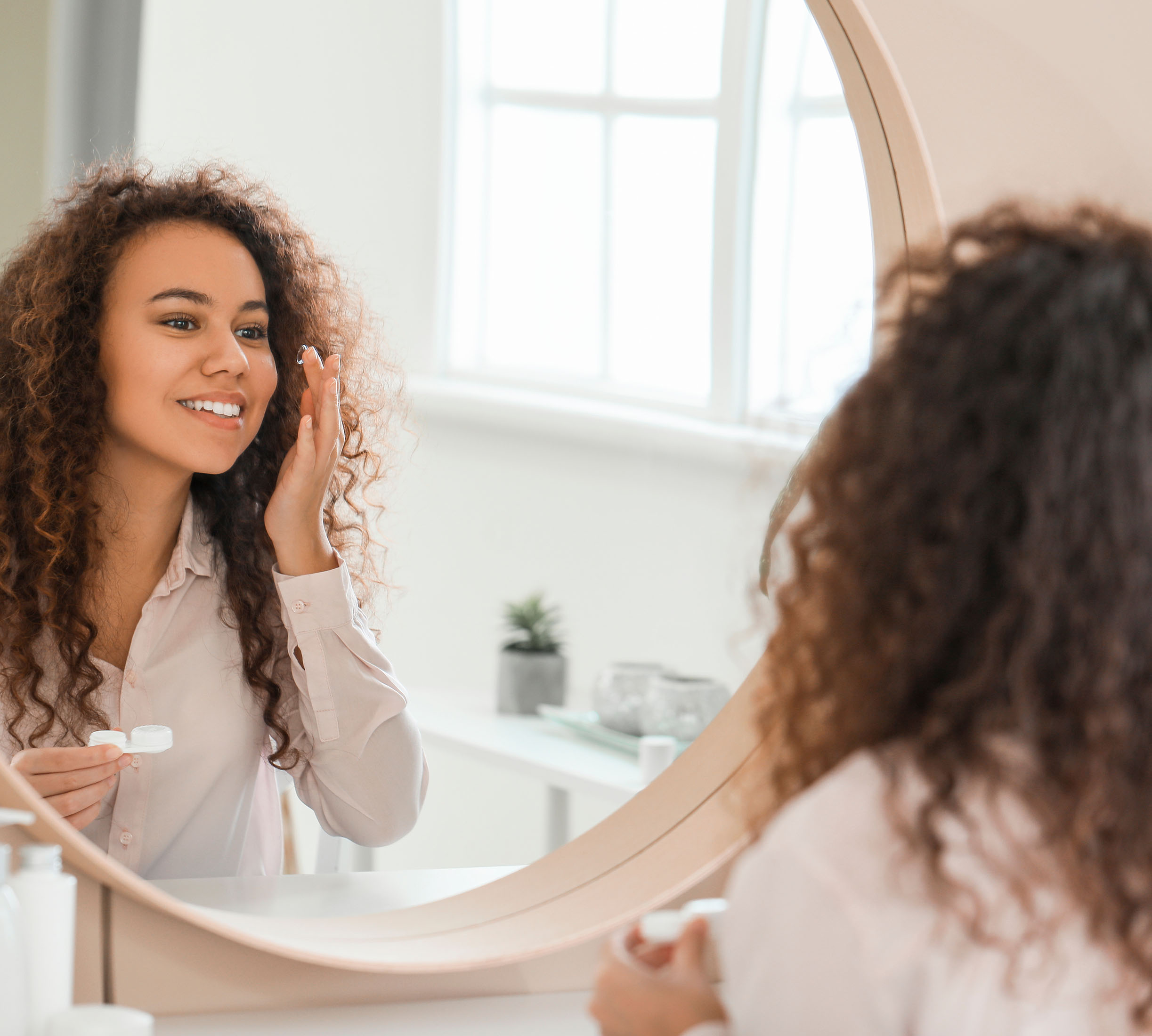
The key to inserting contact lenses is to begentle. Oh, and relax. They’re your eyes, after all, and you don’t want to give yourself a poke in one of them. Putting on contact lenses for the first time is very different from putting on a pair of glasses, and your first, probably uncontrollable, reaction is most likely to recoil as your lens gets closer to your eye. So, relax. Take your time with it.
First up, get yourself a mirror. One of those magnifying ones you get in hotels or other people’s houses would be great, but if you don’t have one it’s not a big problem. A nice, clean surface over which to do battle is also recommended. Once those contact lenses are opened up, balance one on your index finger, with the edges facing up. Keeping it balanced there is the easy part, as the hard part is holding your eyelid open. Well, it seems hard at first, but after a few days of practice, you’ll find it all as easy as buying contact lenses online.
So, you’ve got the lens balanced on one index finger, and now using your other hand, hold your upper eye lid and lashes up against your brow. You’ll need to keep them out of the way of the lens, as nothing is worse than getting it all dirty and covered in lashes. Use your middle finger to hold your lower lid out of the way, and move your chin against your chest. Stay looking at the mirror – to see what you’re doing, rather than how odd you look – and have a glance up, so you expose the white of your eye. This is the key moment, so gently place your contact on your eye. Anywhere on your eye will do, and there are no points for accuracy. Try not to force the lens on, and fight the urge to close your eye as you bring the lens into contact with it. Once it’s on your eye, you can slide it over the cornea (the coloured part, to you and me), and bada boom, bada bing, as they say in New Jersey, you’ve inserted your very first contact lens!
Glaucoma is a condition that affects the optic nerve, damaging it to the point where it leaves your eye. Usually, glaucoma is the result in an increase in pressure in your eye, when the fluid in the front of your eye doesn’t drain away properly. In a normal case, there is a balance in the amount of fluid that is produced and the fluid that drains away, keeping a constant level. But if you have glaucoma, the pressure resulting from the fluid imbalance in your eye can leave you with impaired vision – and even with a complete loss of sight.
But it is not just the fluid imbalance, or ‘ocular hypertension’, that causes glaucoma. In some cases, the optic nerve itself is weak, contributing to the onset of the condition, and glaucoma may even be passed down through family members. Those who suffer from diabetes, or other conditions that restrict blood-flow, are also susceptible to glaucoma, and sufferers in the UK had a 29% increased incidence of systemic hypertension, compared to age and gender controls. Glaucoma is also affected by ethnicity, as those of African or black Caribbean origin are more at risk, with higher chances of being affected earlier in life, and more severely.
For those who suffer from glaucoma, all is not lost, as there is a range of treatment available. At the lower end of the spectrum, corrective contact lenses are available in both soft and rigid forms. Whilst contact lenses are not treatment in themselves, they certainly allow sufferers to go about their daily life in relative comfort. Most eye doctors will also prescribe eye drops for glaucoma, which can react adversely with your contact lenses or the fluids on their surfaces. This can make your eyes intolerant to the lenses, or simply dry them out, making wearing contact lenses very uncomfortable. As always, it’s important to check with your eye doctor.
At the other end of the spectrum, there are medicines available that either help the fluid in your eye drain more easily, or slow its build-up. Surgery is also available, and the most common is laser surgery that opens up the holes in the eyes’ draining system, allowing the fluid to drain. You can have this surgery under local anaesthetic, and be in and out of the hospital in a day. So for those who suffer from a condition that can potentially be so debilitating, the future is incredibly bright.
There comes a time for many parents when they have to make a choice for their child: glasses or contact lenses? Contacts seem to have more strings attached than glasses, with extra care involved in their use, and seem to indicate a greater level of maturity than wearing glasses. You can just take the glasses off, rather than have to carefully insert them, store them, and care for them. But there are other things to think about.
If you’re buying online, contact lenses are an easy purchase to make. There’s not as much hassle as fitting and trying on a pair of glasses, and if your child is worried about their appearance, contact lenses can do wonders. Experts talk of greater social acceptance or even greater self-esteem, and whilst your child might look great in glasses in your eyes, remember back to how unforgiving kids can be at school. Wearing contact lenses can put your child in the fast lane to the top of the class, and their ease of use makes them a good choice over glasses. Plus, not everyone thinks looking like Morrissey is as cool as we do.
You might be asking if children’s eyes are ready for contact lenses, to which the easy answer is “Yes, they are.” Children’s eyes can tolerate contacts from a very young age, and they are less likely to have dry eyes than adults. With the right lenses, you can help strengthen your child’s eyes, and even if they don’t like it, they’ll thank you one day. And if you think contact lenses are difficult to use, and require too much care for your child to handle, then you might have to think again: children are more likely to follow rules and guidelines than adults, and so while you’re sleeping with yours in after a hard day at work, your kid’s contacts lenses will be safely stored away.
With children getting into scrapes, playing sport, video games, or spending time online, contact lenses in place of glasses makes perfect sense. Your child’s vision will be changing frequently as they get older, and contact lenses can be easily replaced to keep up with those changes. Contact lenses won’t break during a game of football, or cost a fortune to replace if they get lost. The average age that children are first fitted with contact lenses is 13, and they have a very high satisfaction rate – 99%! - with 13-17 year olds. So whilst at first you might be reluctant to invest in contact lenses for your child, they are definitely a more than welcome solution – for everyone.
If you buy your contact lenses online, there’s no excuse to not snap up some more accessories when you have the chance. There is a whole range of items available online, more than enough to keep you and your contact lenses in great condition.
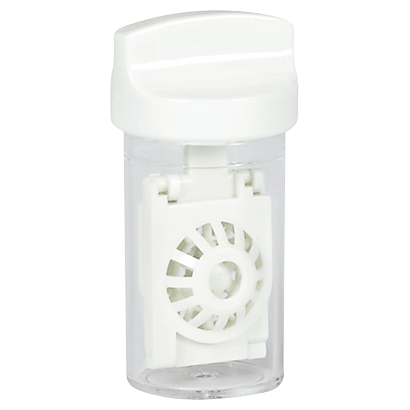
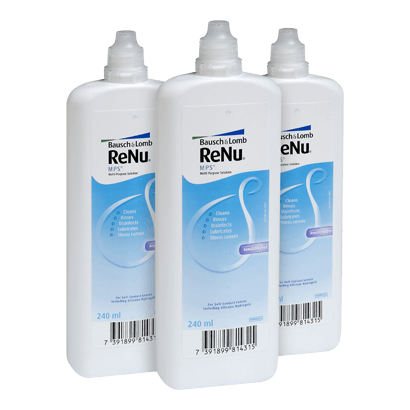
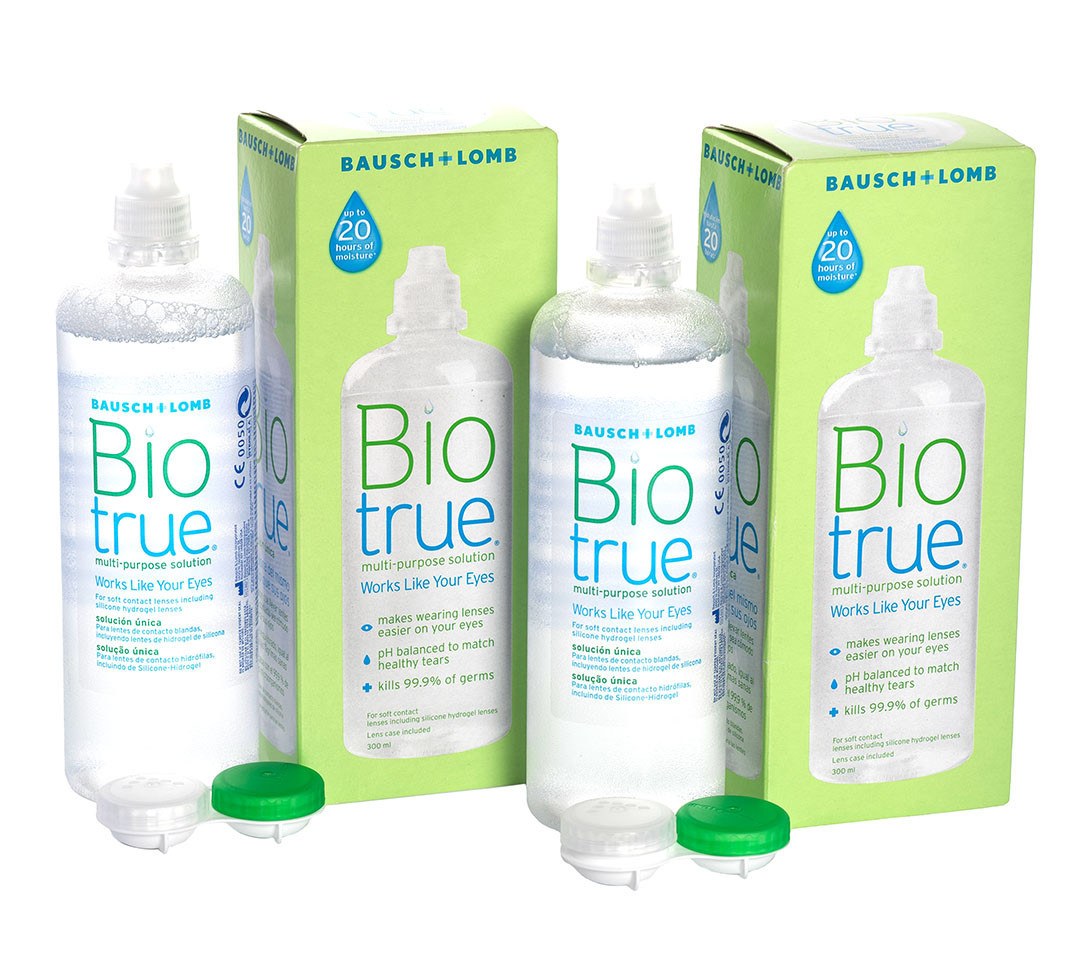
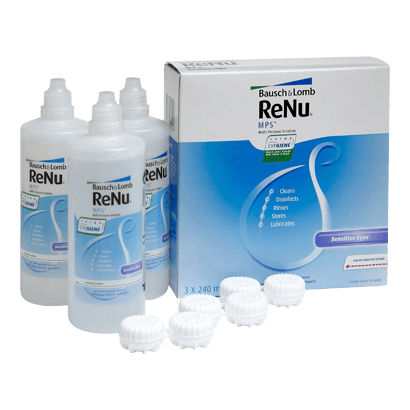
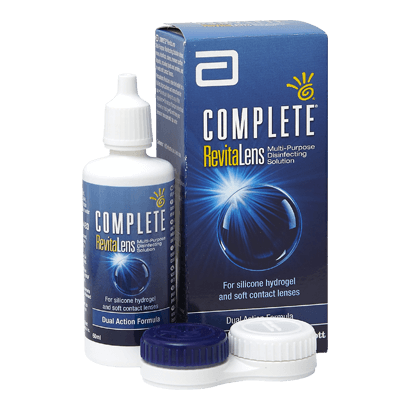
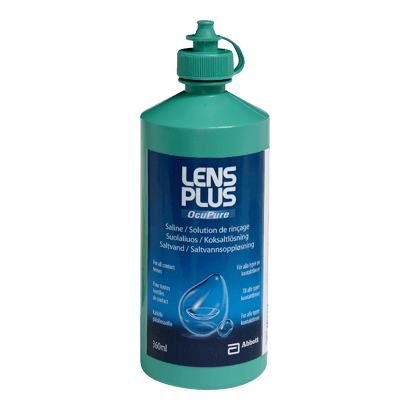
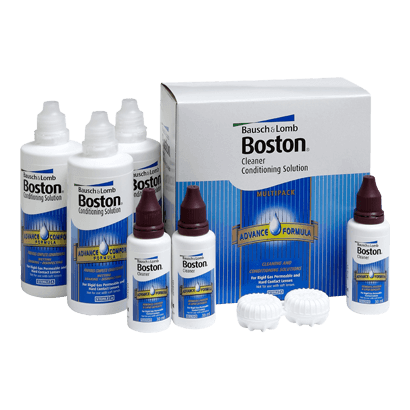
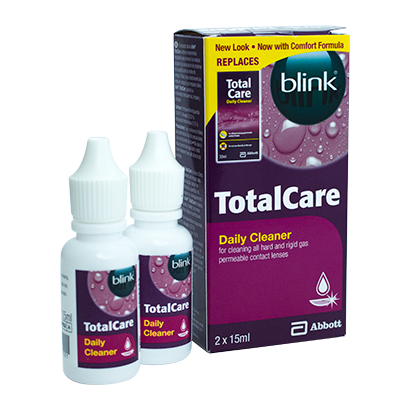
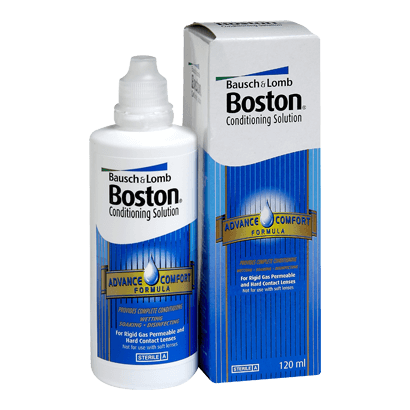
Of course, once you’ve bought your contact lenses online, the next step is to keep them clean. Vision Direct offers a great multi-use solution, that can be used to clean, rinse, store, and re-wet your contact lenses. Online stores can stock items cheaper than on the high street, and Vision Direct is even giving away a contact lens case with each bottle of solution. Suitable for sensitive eyes, this solution can be used with soft or hard lenses, and is a versatile all-rounder.
Those who live life in the fast lane might want to consider a travel case for their contact lenses. After all, if you like the convenience of buying your contact lenses online, then you’ll probably like the convenience of having a travel case that contains a case for contact lenses, a mirror, and a set of tweezers. So if you really have to put your contacts in on the train, then this is the perfect way to do it.
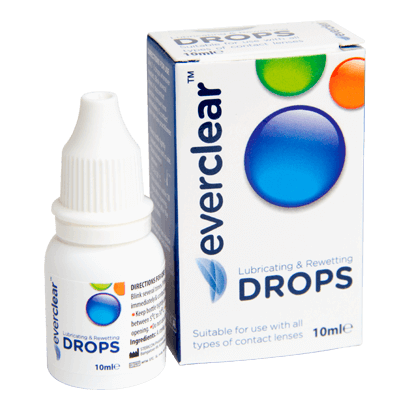
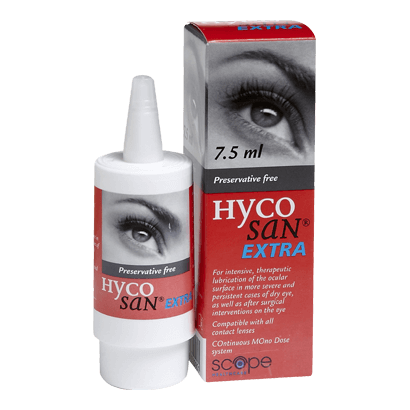
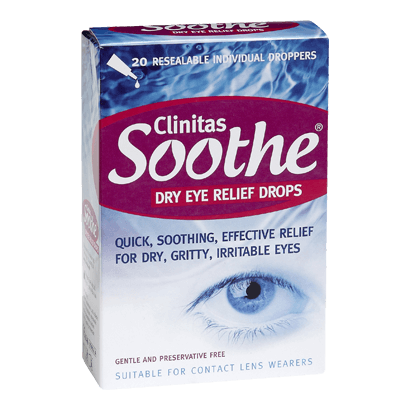
Not everyone has such a hectic life, and some people are more likely to be found reading or in front of a computer. Doing so can lead to dry eyes, and a bottle of Bausch and Lomb Hycosan eye drops is the perfect remedy to this. Whether you’re stuck in front of a computer all day, or you wear contact lenses, online stores can help you solve your dry eye problems with just a click of the mouse.
Something slightly different is the Lightwedge, a point light that lets you read in the dark without having to switch the main light on. You just slide it over the top of your page – or ereader – and let the LEDs do the work. None of the light escapes thanks to it being focused on the page by the wedge-shaped design, so you won’t be disturbing others around you.
Wearing contact lenses is not like wearing glasses, whose maintenance seems as straightforward as putting them on and taking them off: for the inexperienced wearer, contact lenses can represent a virtual minefield of do’s and don’ts.
The easiest mistake you can make with contact lenses is forget to take them off before going to bed, and sleeping with them in. This will dry your eyes out, and can potentially cause more damage. The surface of your eyes need oxygen to stay healthy, and restricting the flow of oxygen all day and all night is not recommended by doctors. Plus, if the contact lenses slip during the night, they could scratch the cornea. In the event that you do sleep with your contact lenses in, it’s best to remove them as soon as you wake up, and soak them to remove bacteria. If your eyes are sore and irritated, then you should consult an optician.
Another time when people forget they’re wearing contact lenses is when they go swimming. If you wear air-tight goggles, then there shouldn’t be a problem, as the pocket of air keeps the contact lenses secure. However, if you don’t wear goggles, then it’s best to remove your contact lenses before entering the water. As the water hits your lenses, it displaces them; it’s not enough to think that you’ll just keep your eyes shut when you swim, as keeping water out of your eyes will be an almost impossible task. Instead, make sure you remove your contact lenses when you have the chance, and keep them safe for when you really need them.
Contact lenses need to be kept and washed in a special solution, though it’s tempting to use water or another neutral fluid if you run out of contact lens solution. This is another common mistake, as the solution for contact lenses is specially designed to clean your lenses of all the bacteria that accumulates during the day – bacteria that is also present in water. This might be harmless when you drink it, but putting it in your eyes for protracted periods of time is dangerous. So try to keep some solution with you if and when you go out, as you don’t want to be lured into the temptation of using water from the tap or drinking fountain – or even giving your contact lenses a quick wash in your mouth, as school children might. Not using contact lens solution is a very quick way to your local eye specialist.
As we’re on the subject of danger, another mistake that contact lens wearers make is forgetting that taking care of contact lenses means just that: taking care of them. Washing your contact lenses might clean them for that moment, but you need to make sure your contact lens case is also clean. Keeping contact lenses in a dirty storage case is another way to let bacteria get into your eyes, and it’s best to keep not only your contact lenses pristine, but their case also. And those of you who use continuous wear contact lenses should remember this, too.
We are proud to announce that Visiondirect.co.uk has been awarded the Gold label by Ekomi. Ekomi is a customer feedback organization offering a neutral portal for customers with the opportunity to give feedback on their experience of online retailer’s products and services.
What is done about critical feedback? Some customers have rated lower than 5 stars due to supplier issues, such as odd delays in the posting system which is not something directly controlled by us. Feedback on improvements that can be made to our website have been recognised and we are in process of redesigning it, to improve your overall experience. We are also in the process of changing our back office systems behind the scenes. Comments are reviewed on a regular basis, and replied to when applicable, visible online.
Calculated from 7217 unique customer reviews to date, Vision Direct scored an average of 4.8/5.0 which is an amazing result. We would like to thank our customers for all the overwhelmingly positive comments, they brighten our days and help us understanding how to become even better at what we do!
Just a couple of hundred years ago, being able to correct vision through the use of contact lenses would be considered something of a miracle in itself. Of course these days contact lenses are common place, a vision aid that it is easy to take for granted – although the augmented reality ‘bionic’ contact lenses that are currently being developed could arguably be filed under the ‘miraculous’ category. Generally speaking, however, there is a limit to what the medical profession can achieve, especially when it comes to treating severe damage to the eyes – although there are always occasions when recovery defies the odds.
Take the case of Nicholas Holderman, a 17 month old toddler in the U.S. who ended up with a key lodged in his eye thanks to a freak accident while playing with his brothers. After a frantic rush to the emergency room, an X-ray showed the key to be lodged deep within the eye socket, prompting immediate surgery. Just six days later, Nicholas was out of hospital, regaining full vision in the damaged eye after only three months! While Nicholas’s case is perhaps as much a testament to the skill of the surgeon as it is miraculous, a true ‘miracle’ treatment can come from the most unlikely of sources.
An 82 year old security guard at the Monticello Raceway in New York experienced just such a phenomenon, 64 years after losing over 95% of the sight in one eye, thanks to a shrapnel wound inflicted during World War II. While carrying out the routine task of putting a collar on a famous race horse, the animal head butted the security guard, instantly causing sight to return to his damaged eye! While vision in the previously damaged eye was not perfect, it was something of a shock for a man who had seen nothing through the organ since 1942! The attendant ophthalmologist suggested that the head butt had effectively reversed the displacement of the eye which originally resulted from the shrapnel wound, making the horse’s head butt one of the luckiest work place injuries ever recorded!
Unusual treatments can also come about by design, rather than freak luck. Following 27 years of blindness caused by an adverse reaction to an epilepsy drug, a 42 year old woman from Suffolk in England had her sight restored by some pioneering surgery. Using part of the root of a tooth, an ophthalmologist was able to use this nerve tissue to reinforce the optic nerve in her eye, restoring her vision – pretty miraculous, I think you’ll agree!
Buying online contact lenses can of course allow you to ditch the specs, and get creative with your look. The fundamental importance of make up in achieving your chosen style – whether you are getting ready for a big night out, or simply going to work – needs little discussion, but unfortunately the application of cosmetics has the potential to become something of a health issue when you are wearing those online contact lenses. Here we will take a look at how to safely combine the wearing of make up and online contact lenses.
To begin with, the basic principle is to keep the two separate. Getting cosmetic products on your contact lenses can result in a range of problems, from minor irritation and blood shot eyes to experiencing an excruciating burning sensation. So when you are getting ready to go out, which should you apply first? Well on this point, there are two schools of thought. One dictates that you put your contacts in before applying make up and hair products, while others think that that you should wait until after the cosmetics have been applied. Perhaps the most practical way of looking at this point is whether your eye sight is good enough for you to be able to apply make up without your contact lenses in, and so to keep it simple, let’s assume that you need to wear the contacts to see your face properly, and that the lenses will have to go in first.
The composition of the products that you use on and around your face is extremely important. You should use water resistant mascara and eyeliner, to prevent smudging and flaking causing particles to reach your eyes, and never share these products with anyone else, to prevent the risk of cross contamination and infection. Mascara should be replaced every month, and eyeliner every three months. Do not try and apply mascara from the roots of the lashes, but start mid way up, brushing towards the tips. It is particularly important to avoid the ‘lash building’ style mascaras, as these contain fibres that can really irritate the eyes if trapped beneath contact lenses. Look for hypoallergenic products that are labelled as safe for contact lens wearers.
Avoid face powder applied with a brush for the obvious risk of dust particles reaching the eyes, instead use either a pressed powder, or better still an all in one foundation and powder cream. Close your eyes when using hair spray, and walk (carefully) back out of the ‘cloud’ to another room before you open your eyes again. Thankfully, the advice at the end of the night is more straightforward – take your contact lenses out first, before you start removing your make up.